Writing & Articles
A collection of essays spanning climate, history, art, environment, and personal inquiry
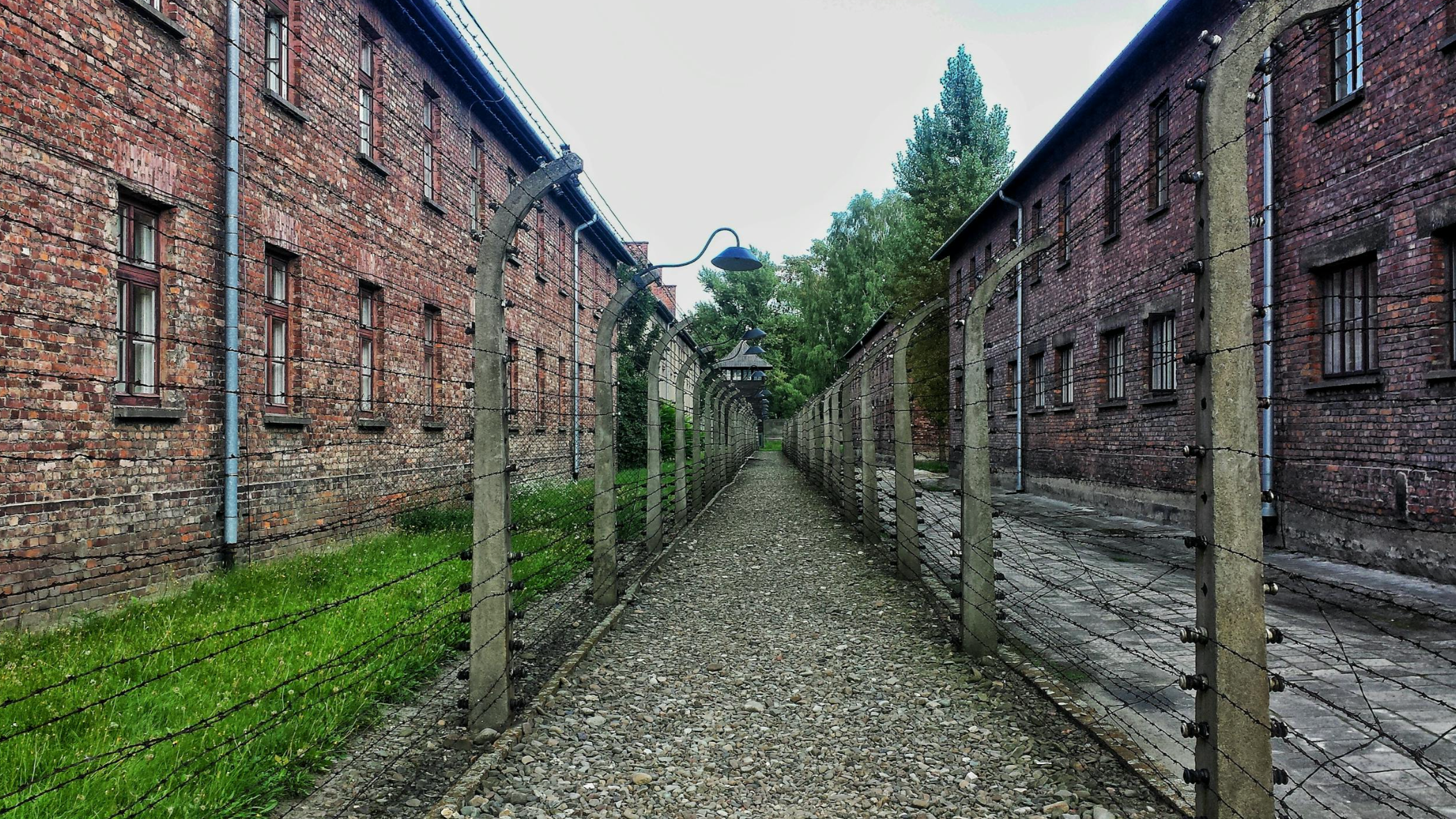
Slavery by Another Name: The Enduring Legacy of Forced Prison Labor in America
May 12, 2025
The author explores the historical roots of forced prison labor, showing how the 13th Amendment’s exception clause enabled “slavery by another name” through convict leasing and prison industries, perpetuating racial injustice long after emancipation. Reflecting on California’s rejection of Proposition 6 in 2024, he concludes that economic interests, voter confusion, and shifting public attitudes toward crime outweighed moral arguments, leaving involuntary servitude embedded in the state constitution.
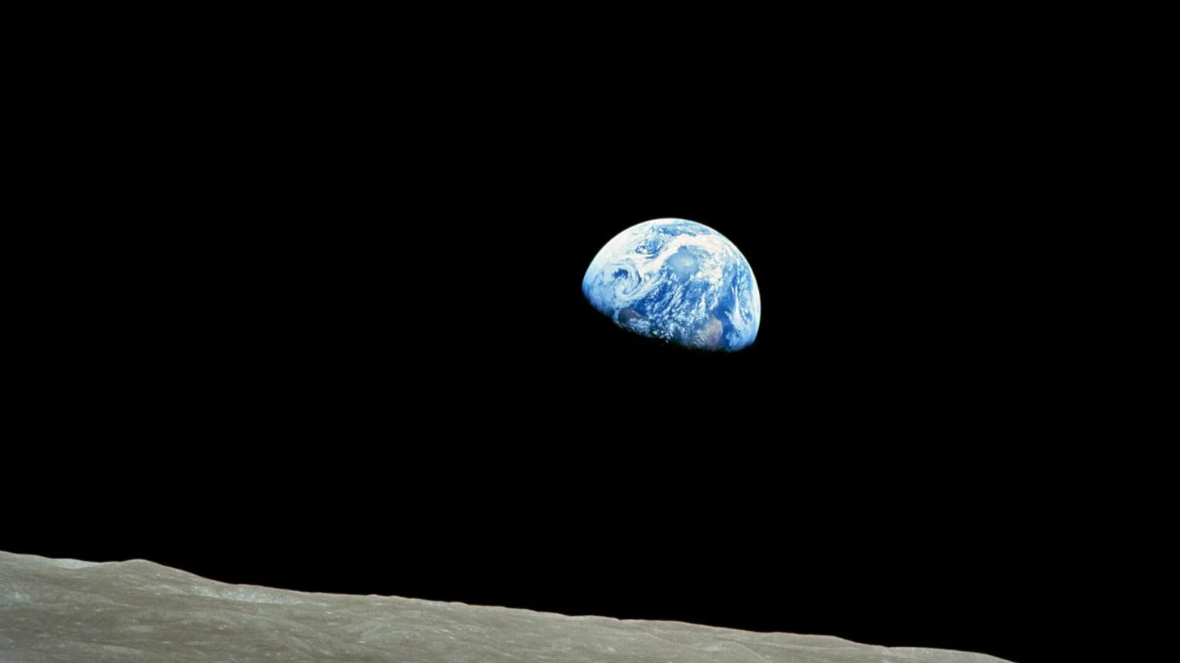
Multinationals, Nations, Nonprofits and Dark Matter
April 1, 2024
The piece explores how international agreements, particularly Bilateral Investment Treaties and the World Bank’s arbitration system (ICSID), often shield multinational corporations at the expense of national sovereignty and local communities, a hidden force the author likens to “Dark Matter.” He concludes by urging the rise of courageous leaders who can forge a new model of corporate responsibility that balances profits with the protection of democracy, indigenous cultures, and the environment.

Thomas Hill Landscapes - Relevant for Today?
March 13, 2023
The author explores his deep emotional connection to Thomas Hill’s landscapes, contrasting Hill’s human-inclusive, harmonious portrayals of nature with Bierstadt’s grandiose, distant depictions, and reflects on how Hill’s art evokes a sense of being part of the natural world. Through this exploration, he gains insight into the power of art to inspire awe, wonder, and mindfulness, while reinforcing his desire to live in harmony with nature and appreciate the experiences art provides.

Humankind cannot bear very much reality
May 9, 2022
The author reflects on his journey through climate skepticism, media bias, and psychological defense mechanisms like denial and confirmation bias, showing how industries from tobacco to fossil fuels have manipulated public perception to protect profits. He concludes that true critical thinking requires embracing discomfort, diversifying sources, and “living the questions” with open eyes and humility, seeking deeper truth and reality about our fragile planet.

Why We Should Develop Environmental Literacy in Public Schools
June 29, 2021
The K–12 public school system is where students are given an opportunity to gain knowledge and skills for a successful life. It’s important for children from all communities to receive a high-quality education to thrive as individuals and become contributing members of society.

Dad. Who Was He? Who Am I?
April 12, 2021
This memoir traces the author’s evolving relationship with his father, a World War II Marine and business leader whose discipline, high expectations, and lack of overt praise shaped the author’s decisions, ambitions, and struggles for approval. Over time, the author comes to see his father not only as a source of pressure but as a lifelong “reference point” for courage, integrity, resilience, and compassion, leaving a lasting influence long after his father’s passing at age 100.
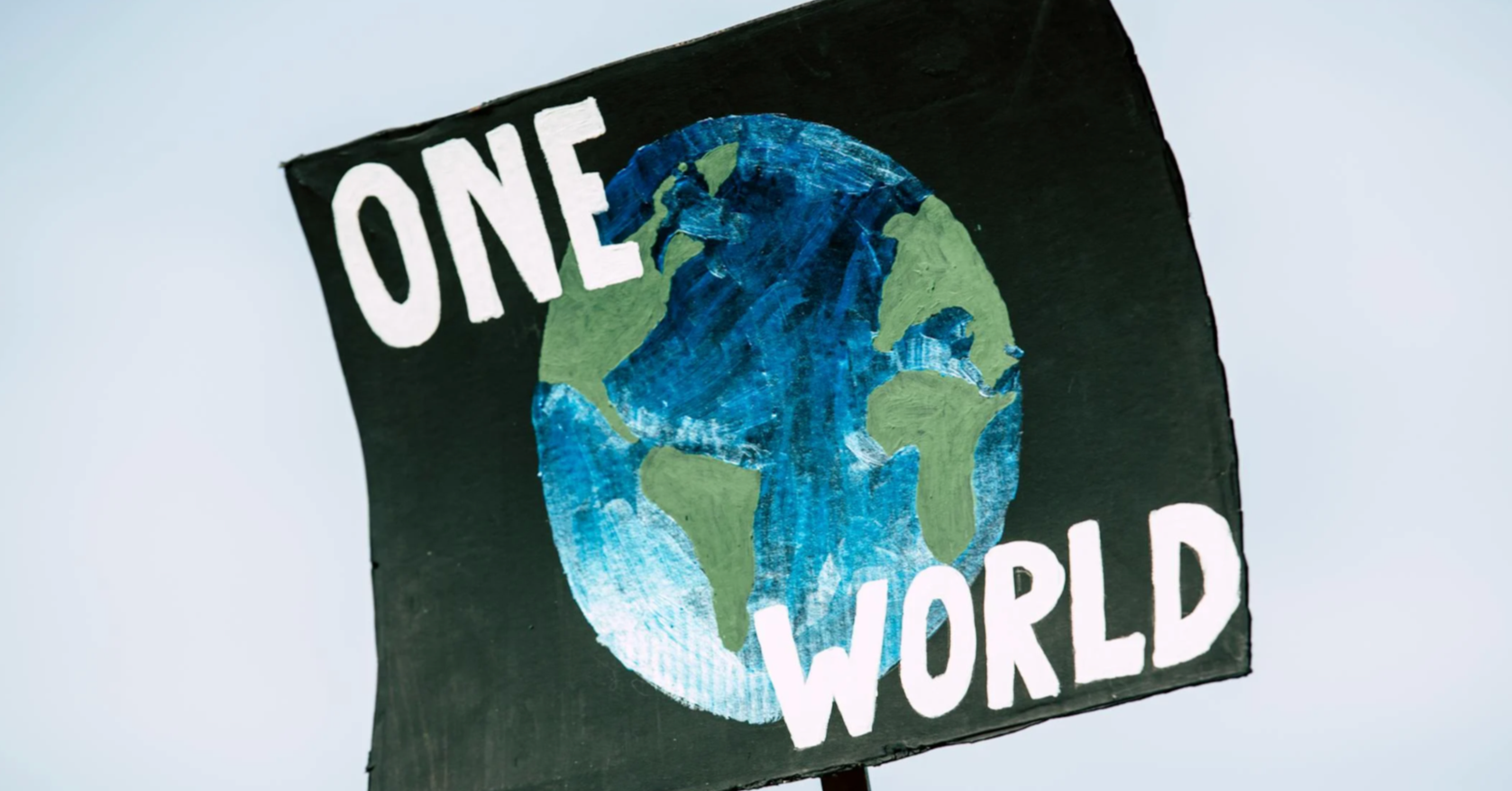
Turning Climate Skepticism into Climate Action: A Conversation
February 10, 2020
A young environmental science student, Sanjay Gupta, calmly uses evidence and math to convince billionaire skeptic James Gold that climate change is real and poses severe risks, prompting a discussion on solutions like renewable energy, divestment, and sustainable economic strategies. By the end, Gold is persuaded not only of the urgency but also offers Gupta a job to help shift his firm’s investments toward a sustainable future, highlighting the power of informed youth to influence decision-makers.
November 12, 2018
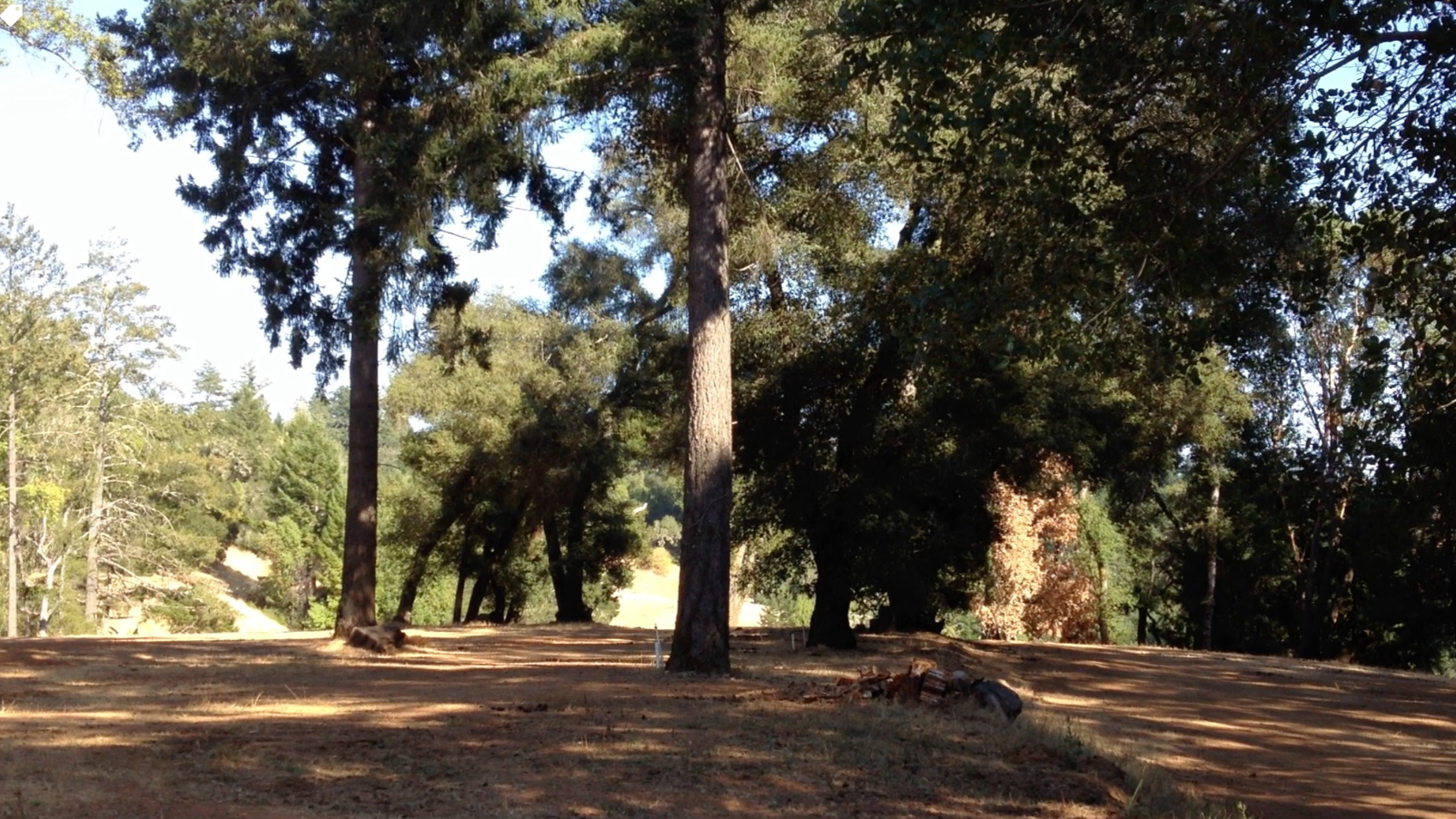
Bringing Back Paradise
The author reflects on the profound grief and self-awareness triggered by approving the cutting of three trees, at his cherished Bohemian Ranch, exploring how the loss revealed deep emotional, spiritual, and symbolic connections to nature. Through counseling, historical and cultural insights, and mindful contemplation, he learns to accept human fallibility, cultivate self-knowledge, and find a way to live in peace with irreversible mistakes while honoring the ongoing significance of trees.
December 18, 2017
Environmental Literacy: Altering Humanity’s Course
On November 29, 2017 Will Parish, Founder and President of Ten Strands, was a keynote speaker at the Green California Schools and Community College Summit and Exposition. Prior to his speech, Will was interviewed by Carl Smith, President of Green Technology, organizer of the Summit.


Climate Change Communication and Environmental Literacy
March 24, 2016
The author draws on Per Espen Stoknes’ work to explain why traditional fear-based climate messaging (DUCS) leads to paralysis, and instead urges reframing around positive “iHOPE” values—insurance, health, opportunities, preparedness, and ethics—communicated through the “five Ss.” They emphasize the power of environmental literacy in schools to inspire action and prepare future generations to lead on climate solutions.

Education Technology, Climate Change, and Public Schools
March 12, 2015
The author describes a pivotal moment where advances in education technology, growing awareness of environmental crises, and the potential of public schools to deliver environmental literacy are converging. By integrating technology with environment-based learning—exemplified by California’s Education and the Environment Initiative—schools can boost student engagement while preparing a climate-savvy citizenry essential for lasting solutions to climate change.

Preparing Critical Thinkers Needed for Climate Change Response
March 5, 2015
The author warns that humanity faces climate change on a scale comparable to past mass extinctions, but argues that solutions lie in combining business innovation, activism, political action, and especially education. Through Ten Strands, they champion environmental literacy in public schools, embedding environmental context across subjects to engage students and prepare a diverse new generation of problem-solvers capable of creating sustainable solutions for the future.

Apex Predators: A Power for Good?
May 26, 2014
The author uses the reintroduction of wolves in Yellowstone to illustrate how apex species can positively shape ecosystems, and argues that humans could do the same through coordinated action. By advancing environmental legislation, embedding hands-on, standards-based environmental education in schools, and promoting ecosystem-conscious commerce, humanity has the potential to foster an “environmental Renaissance” that benefits both people and the planet.

The Capitol Corridor, Keystone, and NGSS
February 25, 2014
The author reflects on their experience as a former teacher and current Ten Strands Executive Director advocating for the integration of California’s Education and the Environment Initiative into the Science Framework. They highlight how inquiry-based, NGSS-aligned lessons—like analyzing the Keystone XL Pipeline decision—can engage students in critical thinking while fostering environmental literacy, extending the impact of education beyond the classroom.

Water, Art and STEAM: Connecting the Dots
January 28, 2014
The author reflects on California’s worsening drought and its personal impact while highlighting the importance of environment-based education. They connect this to the STEAM movement, emphasizing that integrating arts with STEM fosters the creativity and interdisciplinary thinking needed to address environmental challenges.

Education - the Changing Climate
December 10, 2013
The author highlights how STEM education and technology are empowering students to teach themselves and engage with environmental issues. They emphasize that growing awareness of human impact on ecosystems aligns with Ten Strands’ mission to foster environmentally literate, proactive learners.